The animecore aesthetic is a striking visual style known for its vibrant colors, exaggerated facial expressions, and dynamic action sequences. Rooted in Japanese culture, it features unique character designs, fantastical worlds, and spans diverse genres. It has garnered global appeal, drawing audiences with its creativity and rich storytelling, and also influences fashion, art, and lifestyle – pretty much a total cultural phenomenon. Iconic characters and imaginative worlds inspire fans all arounhd the world, making animecore a beloved and influential element of modern entertainment.
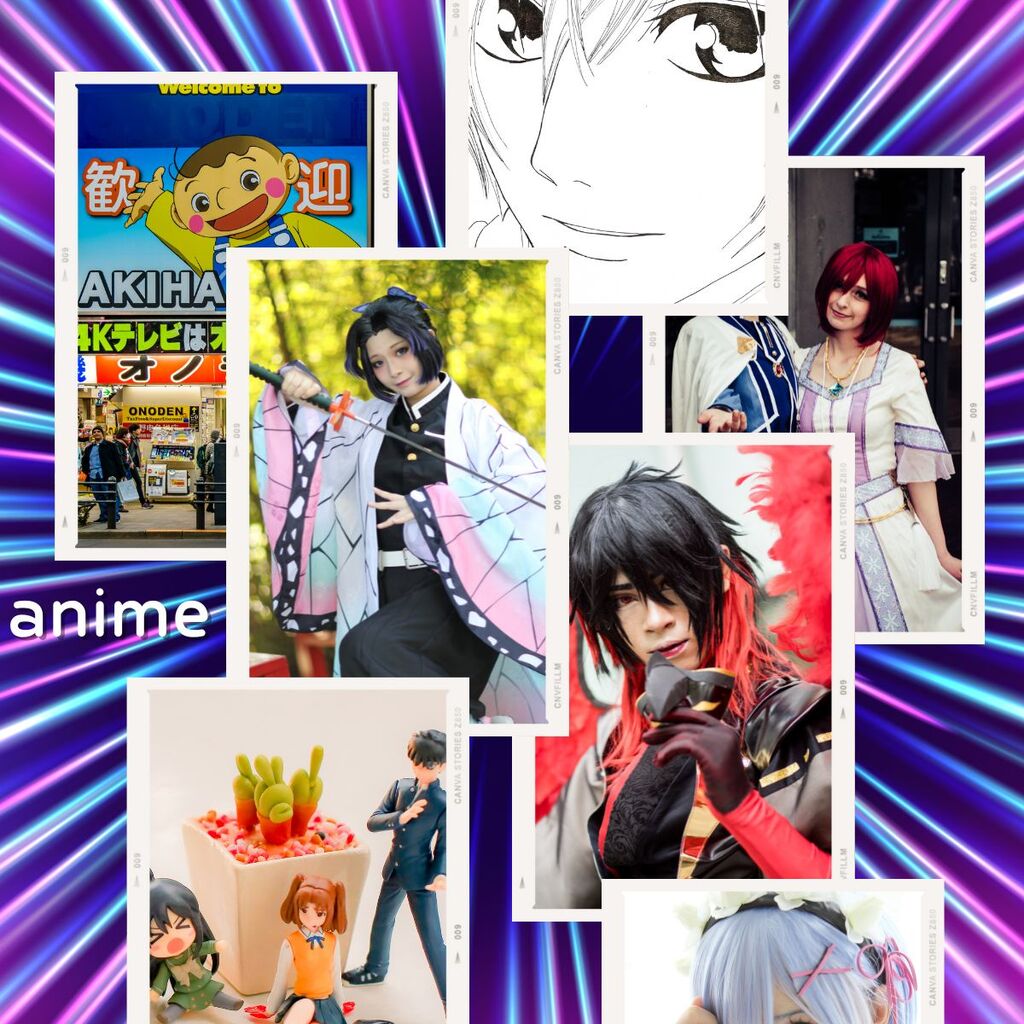
“I grew up on anime and manga. That’s part of who I am.”
Masi Oka
Do you have an animecore aesthetic?
If you love a good, action-packed story dripping with style or are just a huge fan of the classics (from Cowboy Bebop or Evangelion to Death Note, One Piece, Naruto or anything else), animecore may be just right for you. Although deeply rooted in Japanese culture, anime offers a diverse range of genres and storytelling techniques, from sci fi action to cosy rom coms (and sometimes many unlikely combinations in between) which means there’s almost certainly something to appeal to your interests and preferences somewhere.
Animecore fans are often keen to dive into a sense of creativity and escapism, exploring fantastical narratives while also connecting with highly relatable characters. The blend of artistic innovation and cultural richness makes the anime aesthetic appealing, offering a unique and immersive experience for fans worldwide. Bright colors, bold expressions, outlandish visuals and unashamed storytelling that can be humourous or heartbreaking (or both) can have someone falling into an anime swoon before they realise it. It’s not just for the mega-nerds any more, either!
Key characteristics of animecore
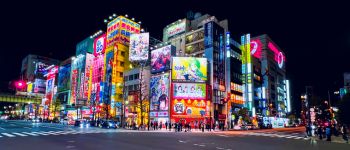
- Visuals: Bright pastel hues dominate, complemented by dramatic lighting, glittery effects, and dreamlike backdrops. Neon cityscapes, cherry blossom trees, and starry skies are iconic imagery within the aesthetic.
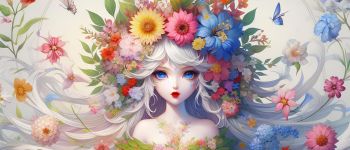
- Art Style: Key elements include large, expressive eyes, vibrant hair colors, and highly stylized characters. The aesthetic can range from soft and innocent (Kawaii culture) to dark, gritty, and dystopian styles.
- Themes: Animecore often emphasizes emotions, ranging from wonder and joy to loneliness or longing. It blends fantastical worlds with relatable human experiences, creating a deeply immersive narrative tone.
- Fashion: Outfits in the animecore aesthetic are inspired by anime trends. This includes school uniforms (pleated skirts, blazers, and ties), oversized sweaters, thigh-high socks, and accessories like bows or novelty backpacks. Shiny vinyl fabrics may also represent the futuristic cyberpunk side of animecore.
- Nostalgia: The aesthetic thrives on evoking a sense of childhood or escapism, referencing popular anime from the 1980s to early 2000s. Analog TV screens, Japanese vending machines, and retro videogame consoles are common motifs.




A short history of animecore
The animecore aesthetic finds its roots deeply embedded in Japanese culture. Emerging from the interwoven traditions of manga (Japanese comics) and classical Japanese art forms, anime began to take shape in the early 20th century. Influences from Western animation, particularly from pioneers like Walt Disney, helped shape the early anime style, leading to the creation of some of the first anime films in the 1920s and 1930s.
A pivotal moment came in the post-war era with the establishment of iconic studios like Toei Animation and Mushi Production. These studios produced landmark series such as “Astro Boy” (1963), created by Osamu Tezuka, often hailed as the “God of Manga.” Tezuka’s work laid the foundation for the distinctive large-eyed character designs and fluid motion that are hallmarks of the anime aesthetic.
Throughout the 1970s and 1980s, anime continued to evolve with influential series like “Mobile Suit Gundam” and “Akira,” which showcased more complex narratives and advanced animation techniques. These decades also saw the rise of Studio Ghibli, co-founded by Hayao Miyazaki and Isao Takahata, which produced critically acclaimed films such as “My Neighbor Totoro” (1988) and “Spirited Away” (2001). These works not only highlighted the imaginative worlds and intricate character designs but also brought anime to global prominence.
The 1990s and 2000s marked the period where anime began to penetrate the US market more deeply. Series like “Dragon Ball Z,” “Sailor Moon,” and “Pokemon” exploded more or less overnight, introducing American audiences to the rich and diverse genres of anime. The growth mainstream internet use fueled more expansion, allowing fans to access a wider array of series and films much more easily.
As anime’s popularity has grown, so has its influence on global culture. The animecore aesthetic, characterized by its vibrant colors, exaggerated facial expressions, and dynamic action sequences, now shows up in all kinds of aspects of American life. In fashion, elements of anime-inspired clothing and accessories have become trendy, with streetwear brands incorporating iconic anime imagery into their designs. Art and illustration communities embraced the anime style, leading to a surge in fan art and original works that draw heavily from anime conventions. Common anime storytelling techniques, which often blend fantastical elements with deep emotional and philosophical themes, have influenced American media. Animated series like “Avatar: The Last Airbender” and “Steven Universe” exhibit clear anime influences in their visual styles, types of characters, and the way they tell stories.
Cultural impact
- Global Popularity: The spread of animecore highlights how anime has transcended cultural boundaries, becoming a medium for self-expression. International shows and brands have borrowed from its visual language, bringing anime-inspired content to the mainstream.
- Fashion: The aesthetic inspires both casual and high-fashion trends. Designers like Marc Jacobs and Louis Vuitton have collaborated with anime franchises, while streetwear brands replicate retro anime prints or pastel-colored designs.
- Art and Media: Japanese anime such as Studio Ghibli films (My Neighbor Totoro, Spirited Away), Sailor Moon, and dystopian works like Akira continue to influence artists globally. Digital artists often incorporate animecore visuals into their work, creating hazy, emotional pieces.
- Online Spaces: Social platforms like TikTok, Tumblr, and Pinterest have embraced animecore as both an aesthetic and lifestyle. Fans share GIFs, fan art, and anime-inspired music playlists, creating online communities dedicated to the aesthetic. Merchandise such as posters, figures, and apparel further build a tangible connection.
- Gaming and Design: Games like Persona 5 or Final Fantasy borrow heavily from animecore influences, integrating emotional narratives with striking, colorful visuals. Even technology interfaces lean into this aesthetic through stylized designs and playful animations.
Examples of animecore
- Art and Animation: Beyond the staples like Sailor Moon and Studio Ghibli films, contemporary anime such as Your Name, Violet Evergarden, and Demon Slayer offer vivid examples of the aesthetic’s diversity.
- Influence in Fashion: Harajuku street fashion, with its mix of pastel tones and cartoon-inspired skirts or blouses, mirrors the aesthetic. Similarly, brands like UNIQLO collaborate with anime to bring wearable representations.
- Online Popularity: Communities create digital collages of animecore-themed wallpapers and share nostalgic frames from old anime series. Filters that resemble vintage anime—the glitchy overlay or pixelated screen—also demonstrate the aesthetic’s impact on technology and photography.
- Decor Inspiration: Animecore-inspired rooms often feature plushies, fairy lights, Polaroid photos, and posters. They may also contain retro TVs and manga bookshelves for an immersive experience.
Make it yours
For inspiration, explore platforms like Crunchyroll or Netflix for classic and modern anime recommendations. Pinterest and Tumblr are rich sources of animecore mood boards, while TikTok features creators curating looks and DIYs. To deepen your understanding of the aesthetic, check out art books by renowned animators or try attending anime conventions, where the aesthetic comes to life through cosplay and exhibitions.
- Fashion: Incorporate anime-inspired outfits, such as pairing oversized sweaters with pleated skirts or accessorizing with pastel bows and vibrant sneakers. Include graphic tees or hoodies with anime characters or symbols for a casual vibe.
- Room Decor: Use pastel bedding, string lights, and posters featuring anime characters or dreamy landscapes. Adding throw pillows shaped like hearts or stars will elevate the cozy, animecore feel.
- Digital Expression: Customize your devices with anime-style icons or wallpapers. Apps like Pinterest or Canva offer tools to create your own collages inspired by favorite shows or characters.
- Creative Hobbies: Draw anime-style fan art or write stories inspired by anime’s imaginative worlds. Start learning digital illustration to create your own anime-inspired characters or scenes.
- Daily Mood: Celebrate your love for the aesthetic with small rituals like watching an anime episode each evening, using bento boxes for meals, or incorporating pastel stationery into your workspace.
- DIY Projects: For example, you can can revive old furniture pieces by painting anime murals on them, or create resin keychains inspired by your favorite characters.
The animecore aesthetic is more than just a visual style—it’s a celebration of creativity, nostalgia, and imagination. Inspired by the artistry of anime, it evokes wonder and joy while encouraging deep emotional connections. From its whimsical themes to its striking use of color and expression, animecore highlights the uniqueness of Japanese pop culture while offering universal appeal.
The animecore aesthetic is always evolving, moving to blend with futuristic themes and further influencing global art, design, and fashion. For fans, it remains a way of living, offering comfort and excitement through a beautifully animated lens. Anime conventions like Anime Expo and Otakon have become major events, drawing thousands of fans who celebrate their shared love for anime through cosplay, panel discussions, and screenings. These gatherings foster a sense of community and allow fans to immerse themselves in the worlds they adore. As anime continues to change and expand, its influence on modern styles remains obvious and noticeable, offering fans a unique blend of artistic and cultural involvement that can have you laughing, crying, excited, grief-stricken, or all of the above… all while looking damn cool and colorful, to boot.